


Join us!
1.8K
Over the last years, the team at Scature has interacted with over 10,000 people.
© Scature (Scave.world B.V.). All Rights Reserved 2025.
Privacy Policy
Maatschap Nieuwenhuis-Akkerbouwbedrijf


.svg)


Units in circulation for this project
Units available for purchase
Credits
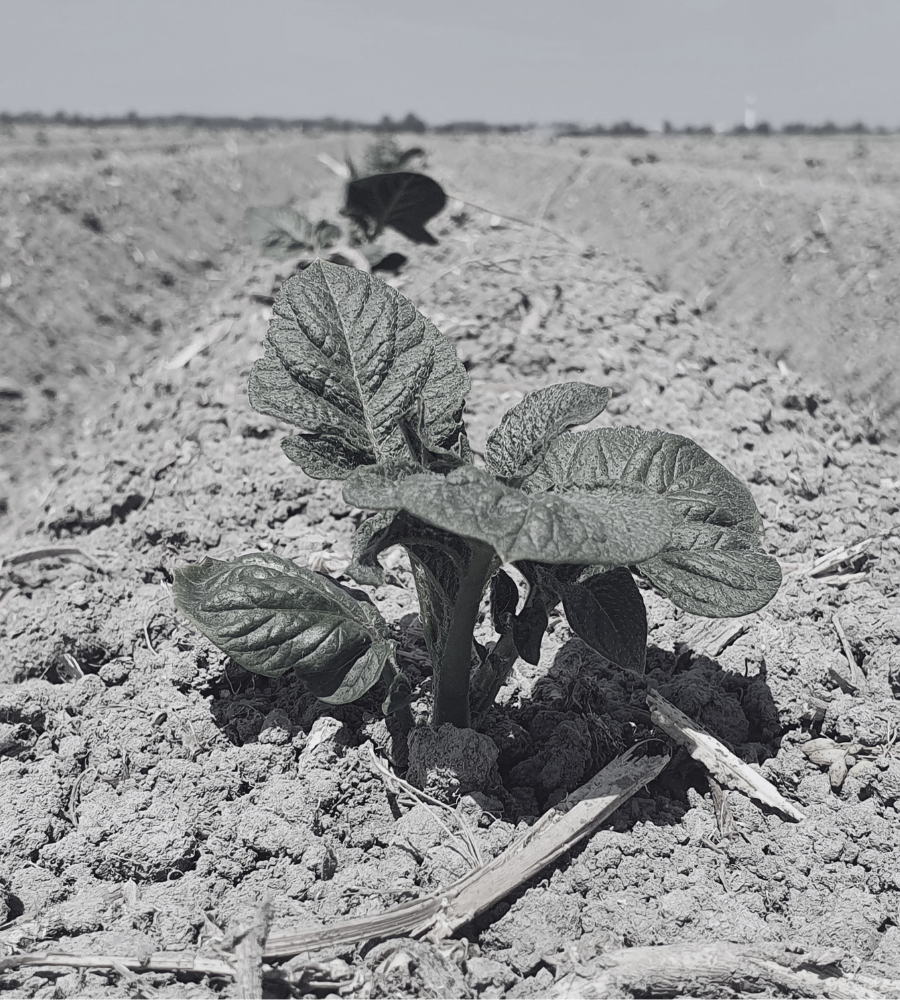
This arable farm implements a whole-farm transition to regenerative arable farming focused on restoring soil function, increasing biological nutrient cycling, and reducing dependence on synthetic inputs. Since 2020, the farm has adopted extended and diversified crop rotations, reduced tillage, permanent soil cover, and biologically based fertility and crop protection.
Key elements include a 1:12 rotation for potatoes and onions, 1:6 for sugar beet, and the use of a two-year grass–clover/alfalfa ley at the start of each rotation, during which no tillage, mineral fertilizer, or chemical crop protection is applied. All fields remain covered year-round by main crops, undersown species, or diverse cover crop mixtures, tailored to each crop type.
Soil fertility is driven primarily by legumes, cover crops, organic manures, and microbial activity, with mineral fertilizers largely replaced by biological seed treatments, foliar nutrition, and micronutrient balancing. Crop protection relies on biostimulants, compost extracts, seaweed products, and fermentation-based inputs, with insecticides eliminated and fungicide use being phased out. Through minimal soil disturbance, permanent plant cover, organic inputs, and enhanced microbial activity, the system improves soil structure, organic matter, nutrient availability, water retention, and crop resilience, delivering long-term productivity with reduced environmental impact.
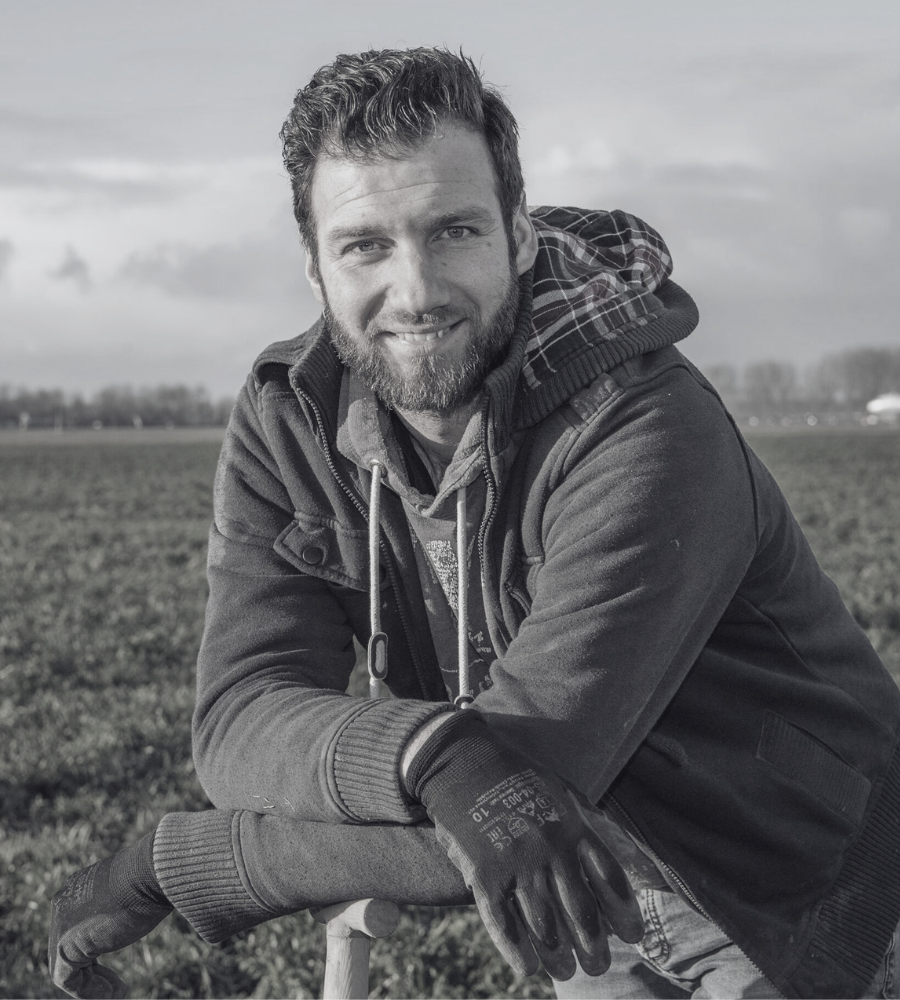
Wilbert Nieuwenhuis is an arable farmer implementing a system-based regenerative management approach that integrates crop rotation, soil biology, nutrient cycling, and crop health into a single coherent production model.
He manages his land as a biological system, using extended rotations, multi-year legume phases, diverse cover crops, reduced tillage, and biologically based inputs to replace synthetic fertilizers and pesticides while maintaining stable crop yields.
His farming system is designed to continuously improve soil health, increase carbon and biological activity in the soil, and strengthen resilience to climate variability and disease pressure.